03
03
03
Fourth spaces
03
Fourth spaces
03
Fourth spaces
FEB-APR 2024
FEB-APR 2024
A digital service that connects local business owners to create pop-up events, creating new opportunities for economic and social engagement.
TEAM
TEAM
Jenna Li
Sibora Berisha
Yichen Hu
Urja Kaushik
Odiso Obiora
Aakash Narayan
Sibora Berisha
Jenna Li
Yichen Hu
Urja Kaushik
Odiso Obiora
Aakash Narayan
ROLE
ROLE
UX designer
Service Designer
Researcher
UX Designer
Service Designer
Researcher
(scroll to explore)
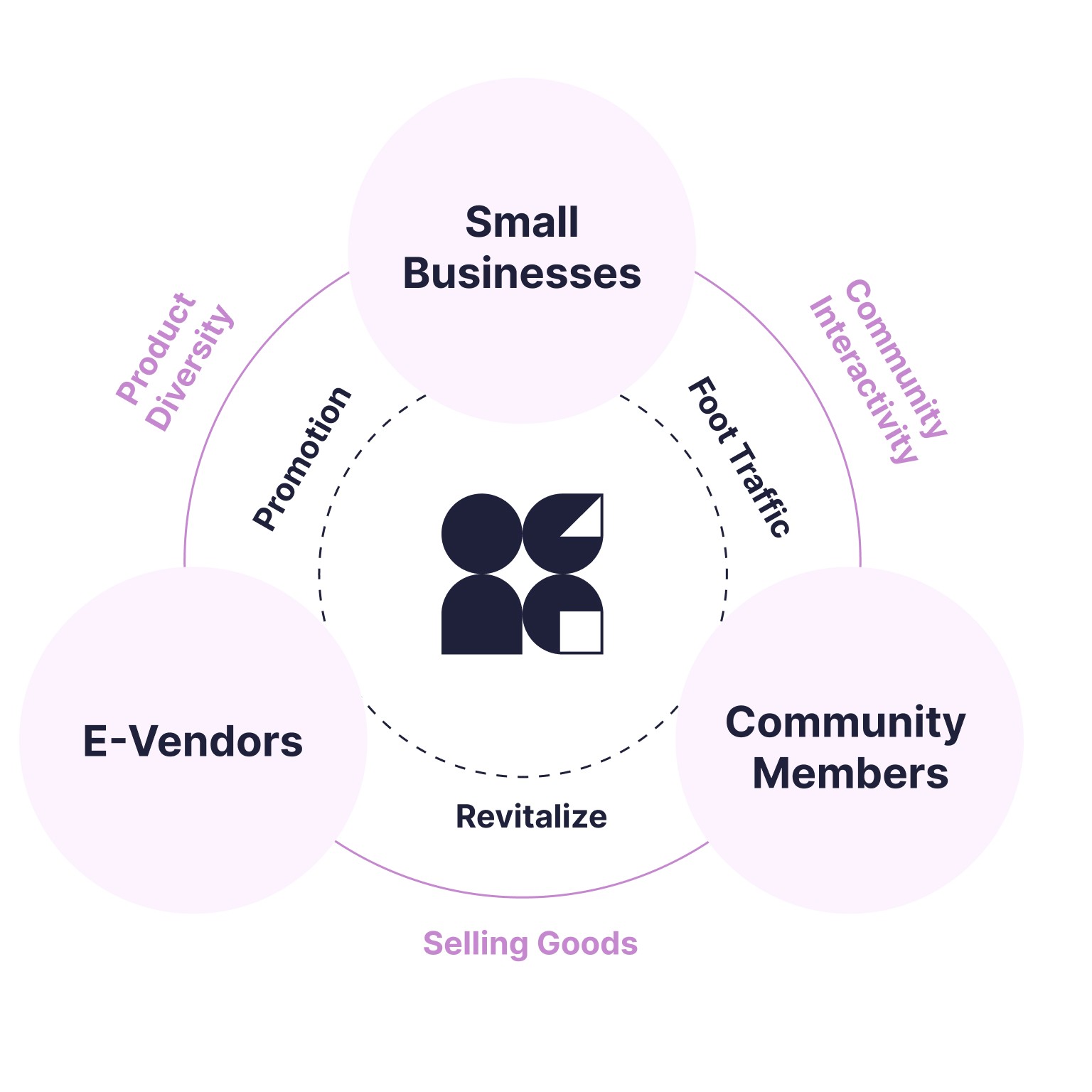
This project is in collaboration with the Michigan Economic Development Corporation (MEDC) and their population growth campaign, Let’s Grow Michigan. To reverse the state's declining population trends, they work to retain current residents and attract young talent through strategic investments that make Michigan a better place to live, work and build a future.
To help them better understand what attracts young residents and how we can leverage the unique opportunities Michigan has to offer, our team presented Fourth Spaces.
This project is in collaboration with the Michigan Economic Development Corporation (MEDC) and their population growth campaign, Let’s Grow Michigan. To reverse the state's declining population trends, they work to retain current residents and attract young talent through strategic investments that make Michigan a better place to live, work and build a future.
To help them better understand what attracts young residents and how we can leverage the unique opportunities Michigan has to offer, our team presented Fourth Spaces.
This project is in collaboration with the Michigan Economic Development Corporation (MEDC) and their population growth campaign, Let’s Grow Michigan. To reverse the state's declining population trends, they work to retain current residents and attract young talent through strategic investments that make Michigan a better place to live, work and build a future.
To help them better understand what attracts young talent and how we can leverage the unique opportunities Michigan has to offer, our team presented Fourth Spaces.
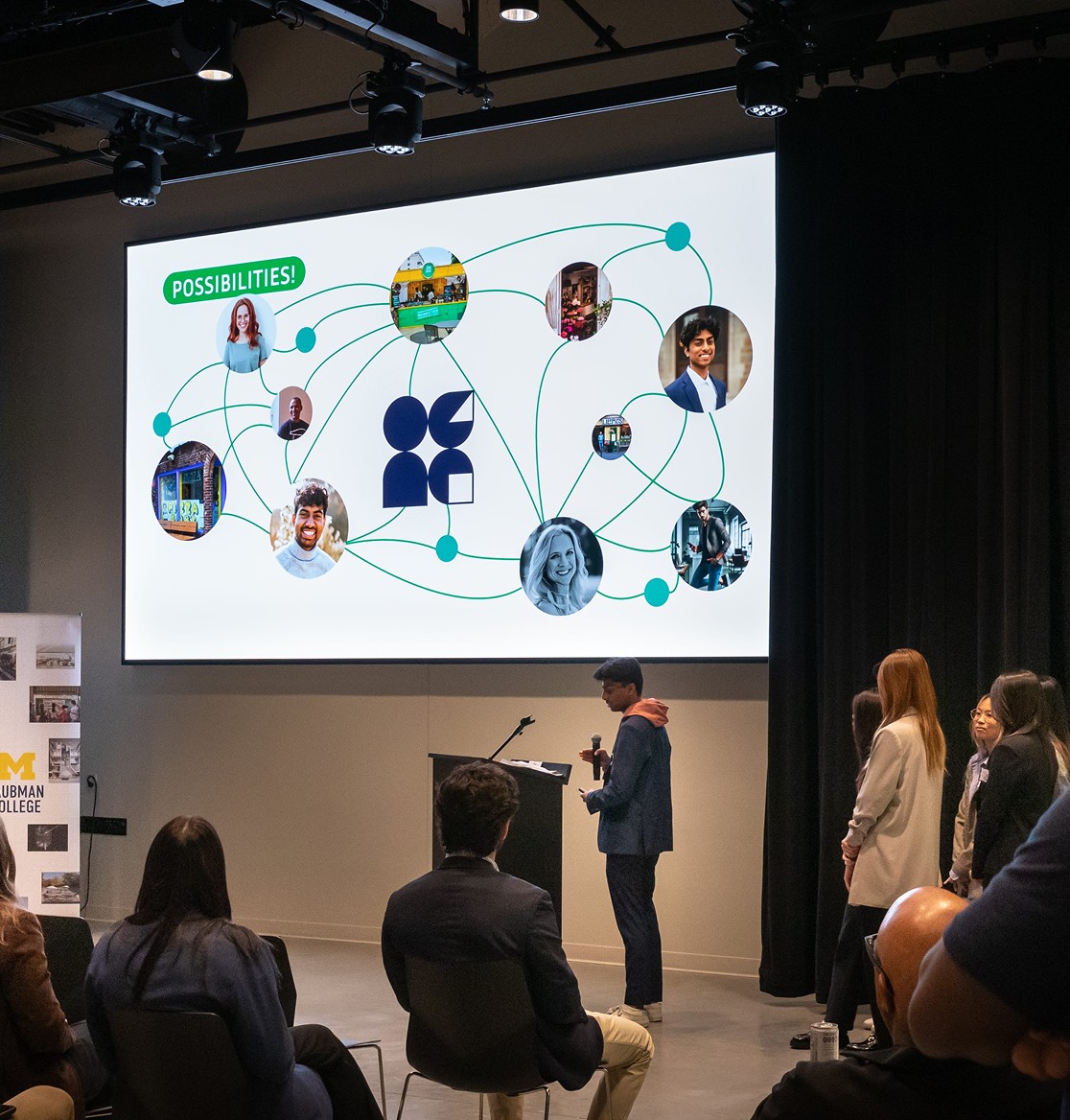
photo credit: Dori Sumter
photo credit: Dori Sumter
Through our interviews and surveys, we found that young professionals crave community. Things to do, opportunities to meet new people, and ways to deepen connections are all important quantifiers of a great place to live.
We also spoke with local small business owners in the Ann Arbor area. Many of which expressed concerns of staying open long-term. Since the pandemic and the rise of online retailing, foot traffic has declined significantly. One owner believes getting more people to simply walk in the door will turn the tide.
We created Fourth Spaces to address these desires and concerns. A digital tool that connects local business owners through pop-up events. We work to energize under-utilized spaces and bring Michiganders together to enjoy unique experiences.
Through our interviews and surveys, we found that young professionals crave community. Things to do, opportunities to meet new people, and ways to deepen connections are all important quantifiers of a great place to live.
We also spoke with local small business owners in the Ann Arbor area. Many of which expressed concerns of staying open long-term. Since the pandemic and the rise of online retailing, foot traffic has declined significantly. One owner believes getting more people to simply walk in the door will turn the tide.
We created Fourth Spaces to address these desires and concerns. A digital tool that connects local business owners through pop-up events. We work to energize under-utilized spaces and bring Michiganders together to enjoy unique experiences.
Through our interviews and surveys, we found that young professionals crave community. Things to do, opportunities to meet new people, and ways to deepen connections are all important quantifiers of a great place to live.
We also spoke with local small business owners in the Ann Arbor area. Many of which expressed concerns of staying open long-term. Since the pandemic and the rise of online retailing, foot traffic has declined significantly. One owner believes getting more people to simply walk in the door will turn the tide.
We created Fourth Spaces to address these desires and concerns. A digital tool that connects local business owners through pop-up events. We work to energize under-utilized spaces and bring Michiganders together to enjoy unique experiences.
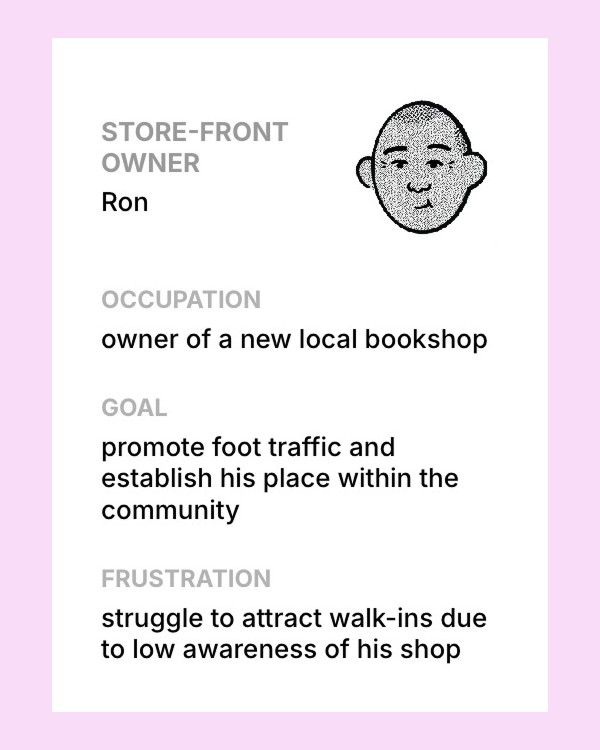
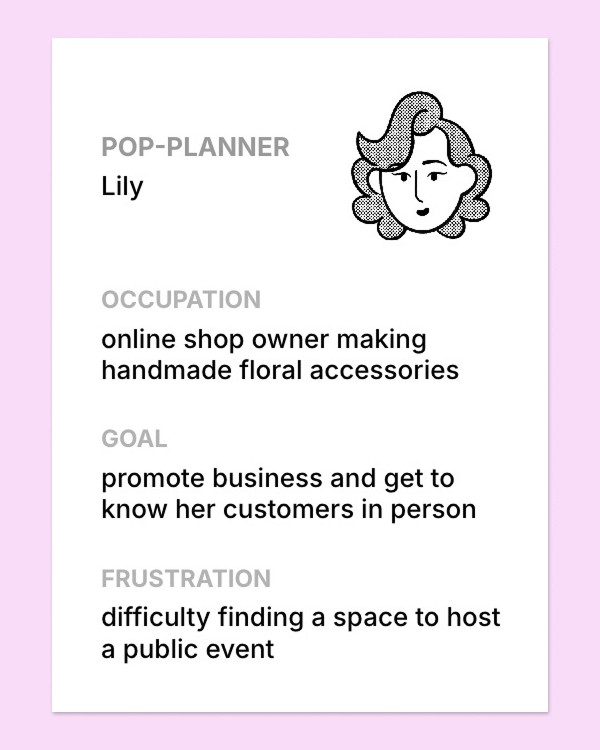
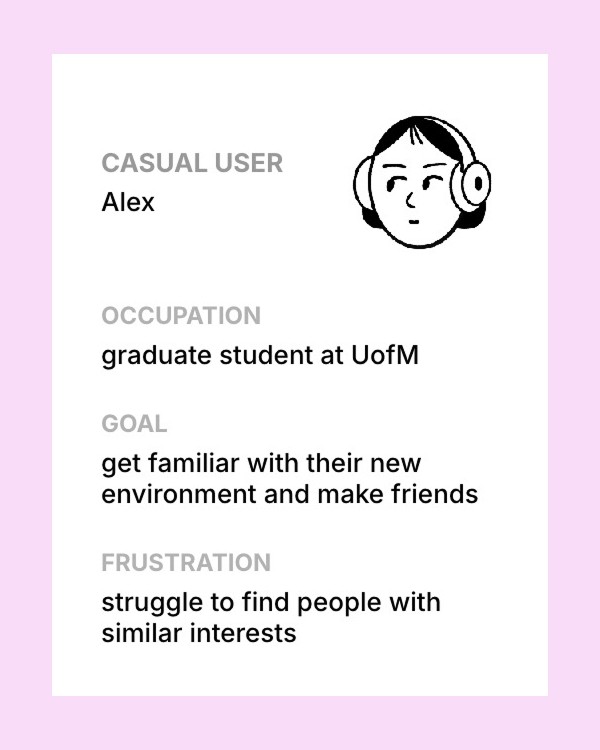
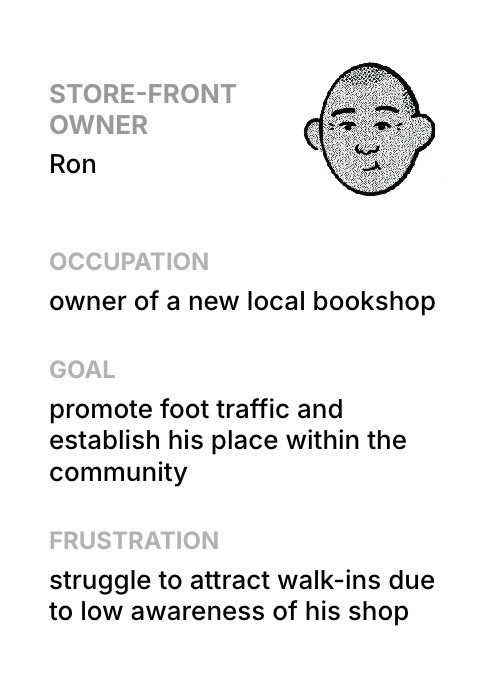
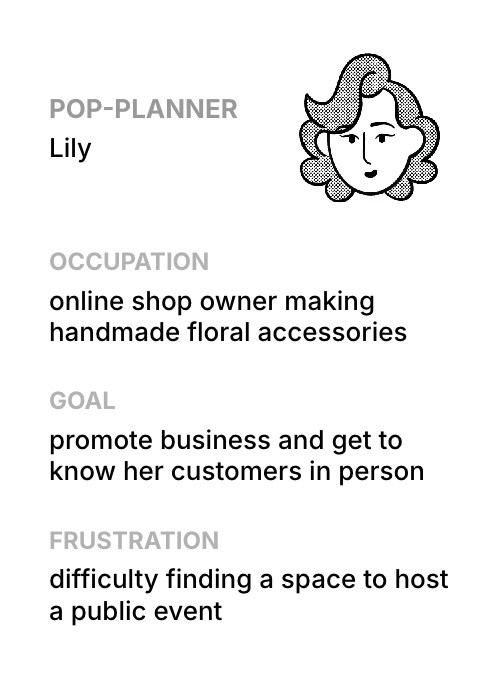
Our platform prioritizes three main users: the store-front owner, pop-up planner, and casual user.
As we map out the necessary tasks and interactions for our users, we found four task flows that best showcase how our service works.
First, all users need to create a profile.
A store-front owner can then list their space to the platform.
A pop-up planner browses these spaces and finds a location to host their event.
A casual user sees these events and registers for the ones that match their interests.
Our team of designers split up to each specialize in one task and focus on developing the flow, wireframes, and interactive prototype.
Our platform prioritizes three main users: the store-front owner, pop-up planner, and casual user.
As we map out the necessary tasks and interactions for our users, we found four task flows that best showcase how our service works.
First, all users need to create a profile.
A store-front owner can then list their space to the platform.
A pop-up planner browses these spaces and finds a location to host their event.
A casual user sees these events and registers for the ones that match their interests.
Our team of designers split up to each specialize in one task and focus on developing the flow, wireframes, and interactive prototype.
Our platform prioritizes three main users: the store-front owner, pop-up planner, and casual user.
As we map out the necessary tasks and interactions for our users, we found four task flows that best showcase how our service works.
First, all users need to create a profile.
h
A store-front owner can then list their space to the platform.
h
A pop-up planner browses these spaces and finds a location to host their event.
h
A casual user sees these events and registers for the ones that match their interests.
Our team of designers split up to each specialize in one task and focus on developing the flow, wireframes, and interactive prototype.
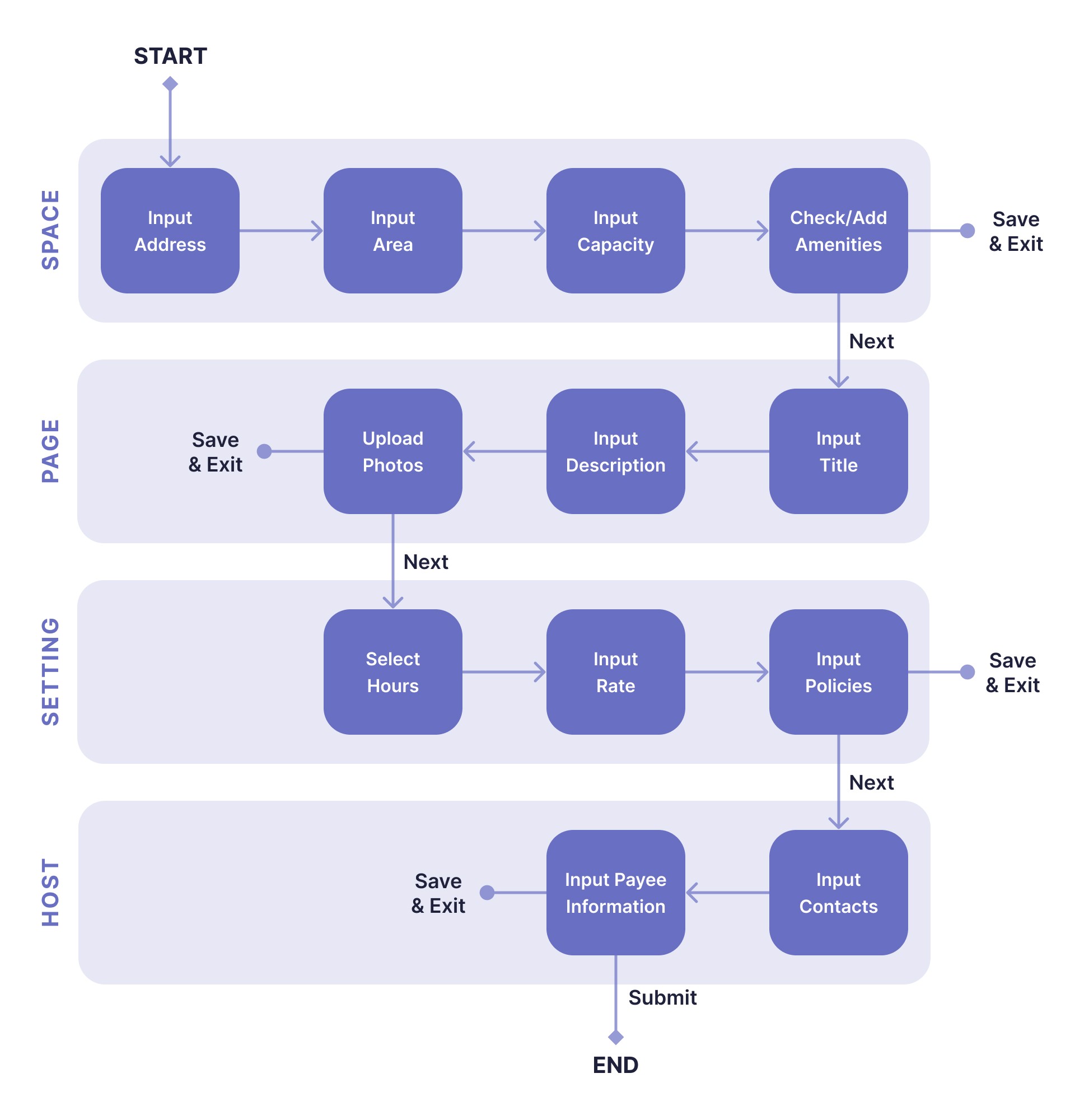
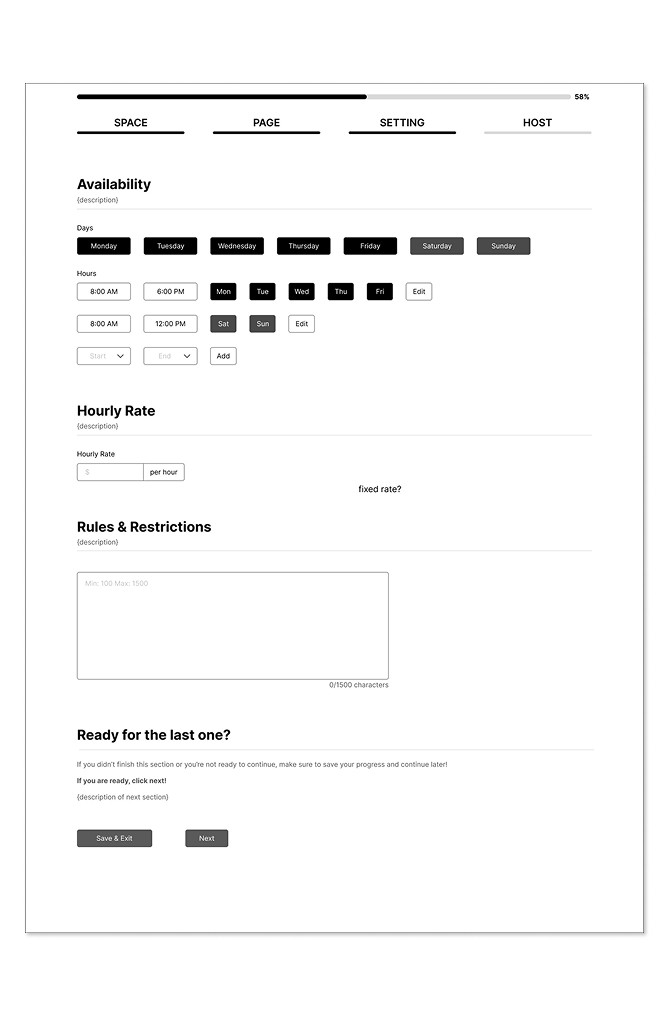
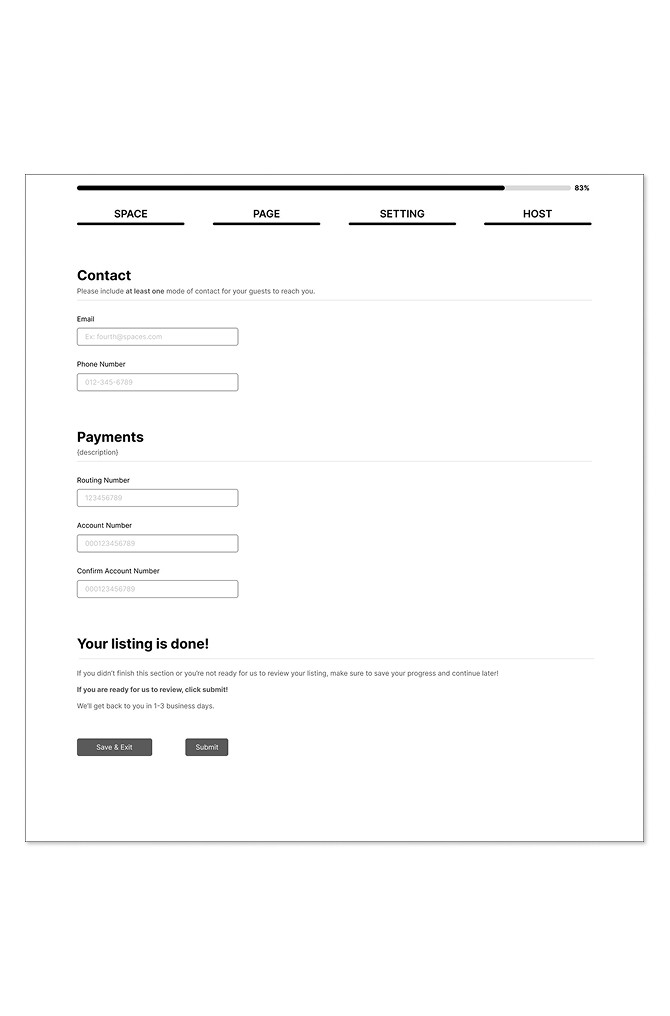
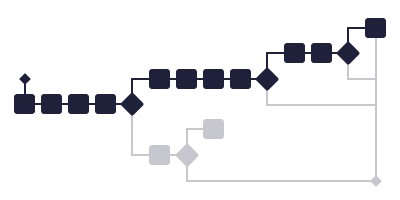
I designed the task for the storefront owner listing their space to the platform. The initial flow was a linear process broken into four sections: space, page, settings, and host. The owner has a lot of information to fill out, so having breakpoints where they can save their progress and revisit can make it feel less daunting.
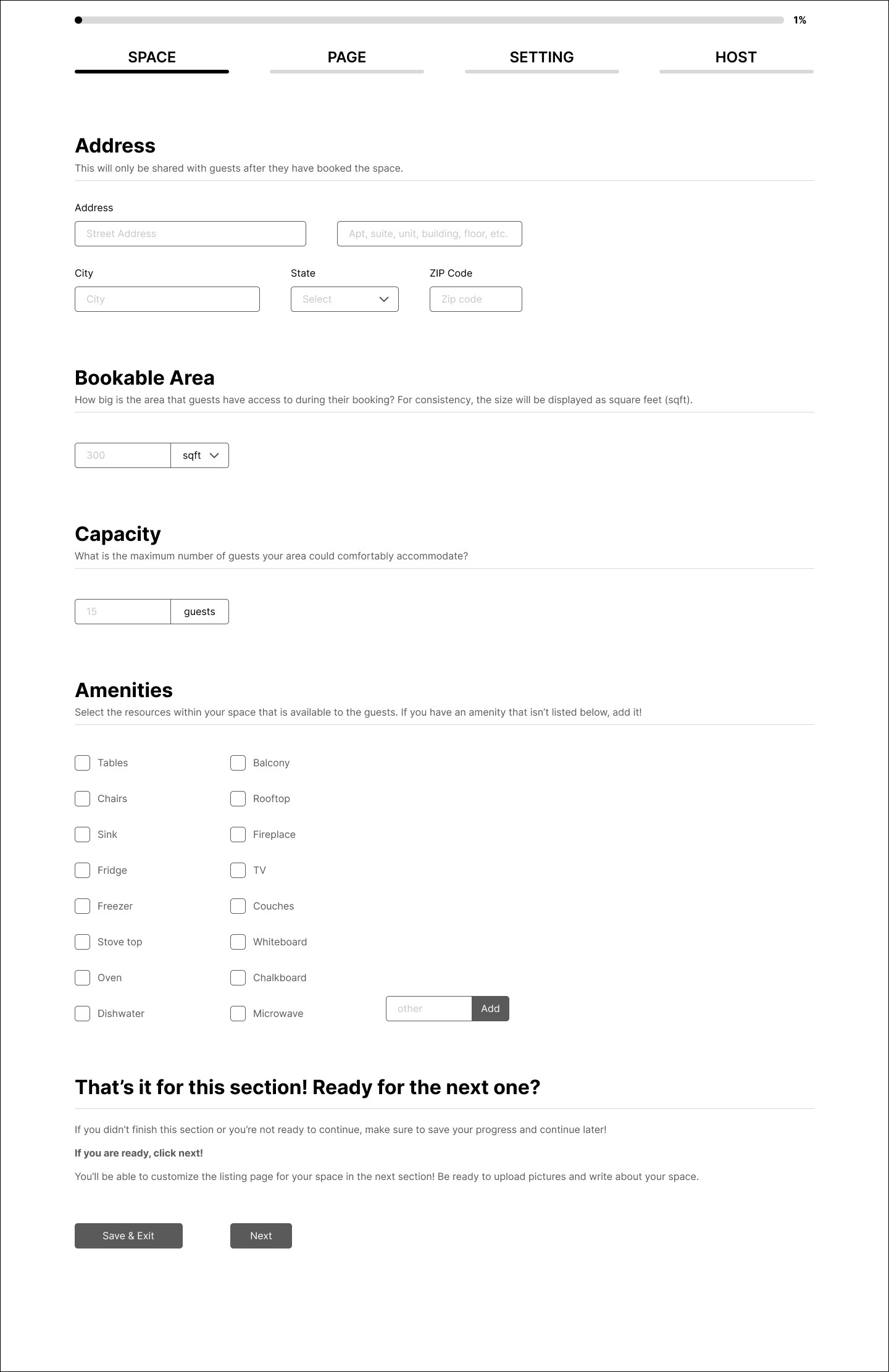
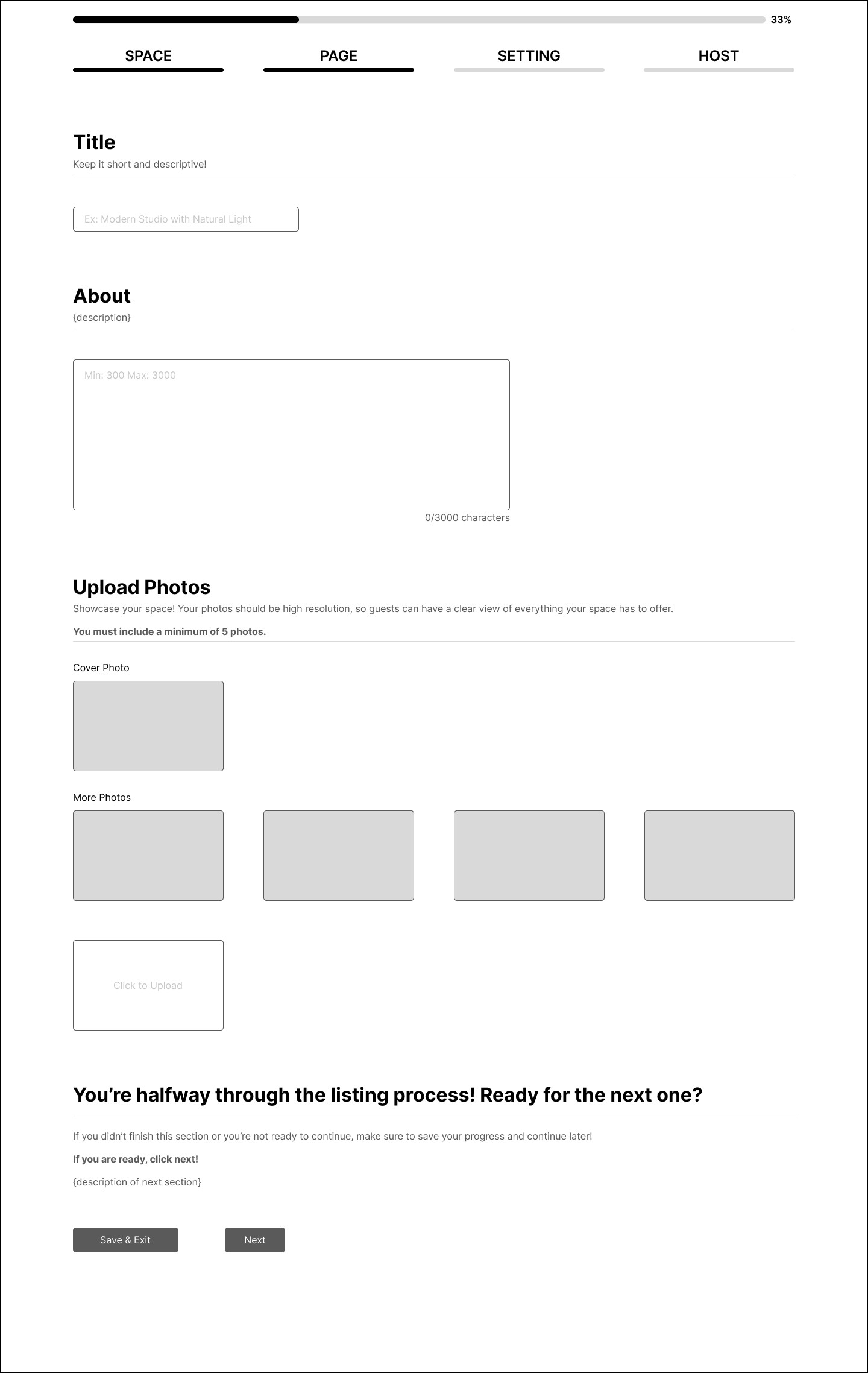
Below are the initial wireframes for the list your space process.
I designed the task for the storefront owner listing their space to the platform. The initial flow was a linear process broken into four sections: space, page, settings, and host. The owner has a lot of information to fill out, so having breakpoints where they can save their progress and revisit can make it feel less daunting.
Below are the initial wireframes for the list your space process.
I designed the task for the storefront owner listing their space to the platform. The initial flow was a linear process broken into four sections: space, page, settings, and host. The owner has a lot of information to fill out, so having breakpoints where they can save their progress and revisit can make it feel less daunting.
Below are the initial wireframes for the list your space process.
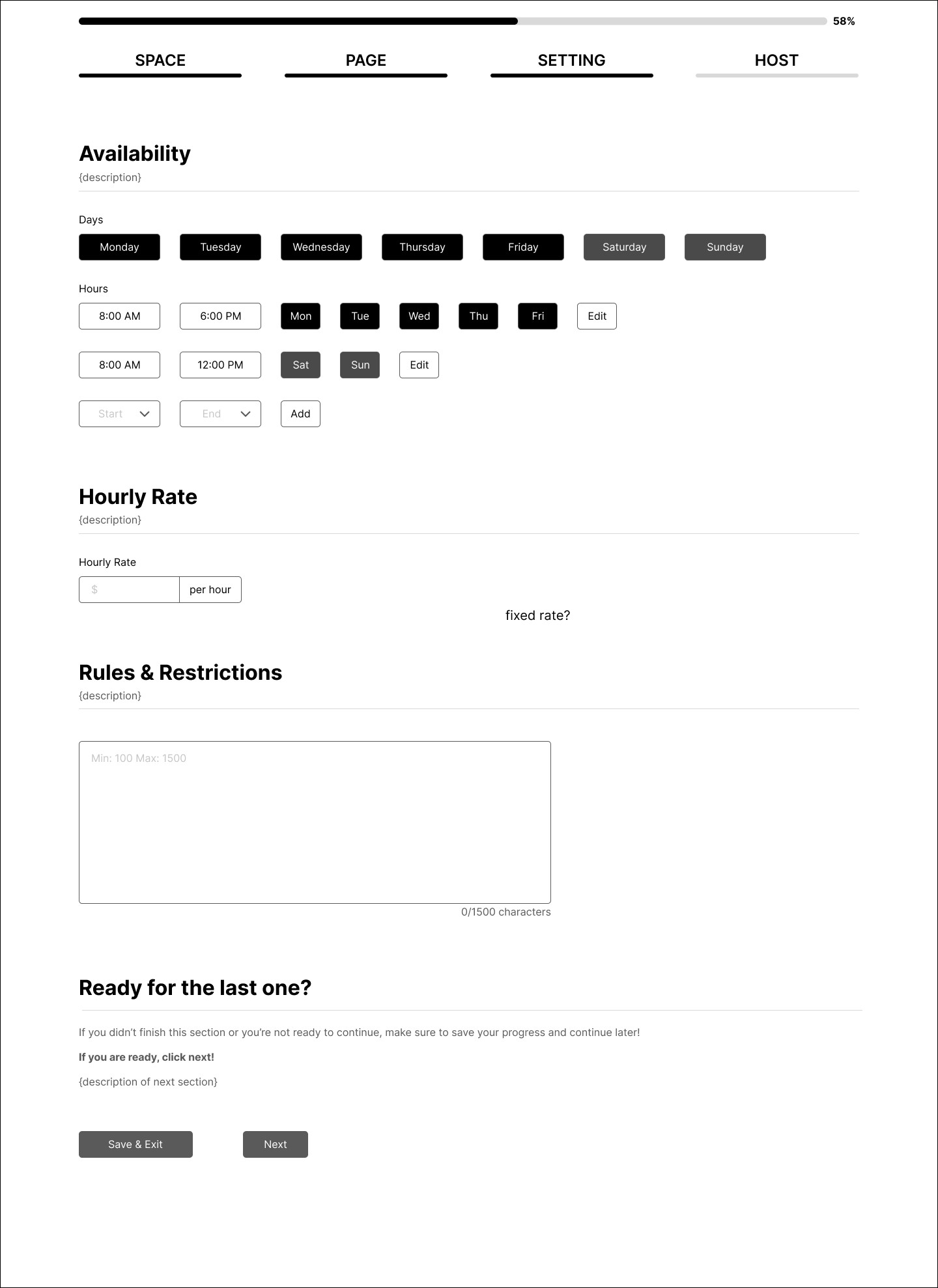
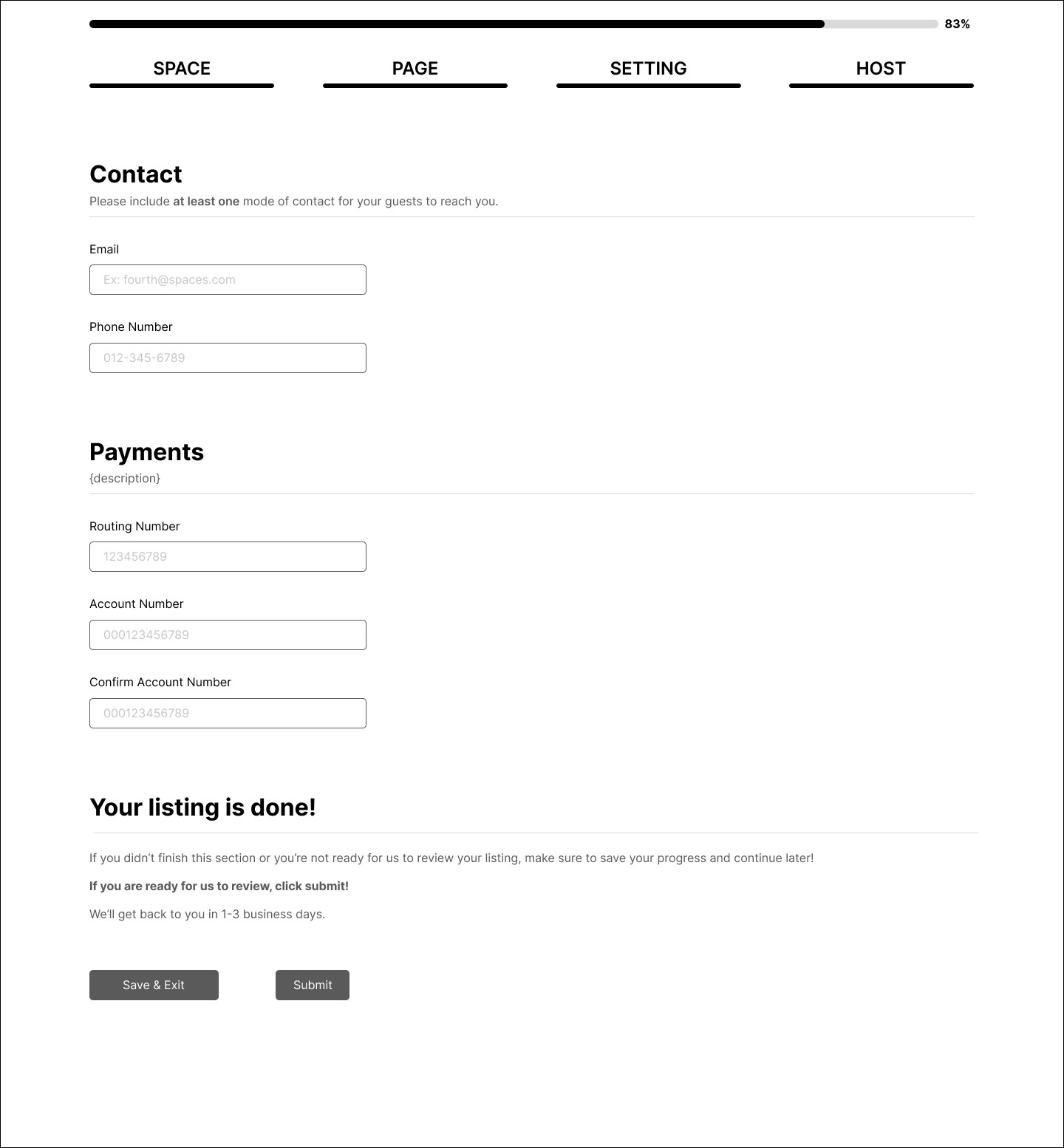
As I was finishing the initial wireframes, I found myself struggling with the logistics of money. Do owners want to be financially compensated for someone else using their space? Is setting and displaying an hourly rate the right way to go about it?
I brought this up with my team members and after exploring the implications of including and excluding money, we didn’t come to a clear consensus, landing somewhere in the middle. For testing, we opted to keep the designs as is.
Our researchers conducted interviews and usability tests with a storefront owner and an event planner. They found that the participants were also taken aback by the hourly rate. The owner says they personally wouldn’t charge, unless it was frequent and no one else can use the space. To accommodate for this flexibility, we removed the hourly rate and allowed the users to sort out cost and other logistics in the messaging feature.
As I was finishing the initial wireframes, I found myself struggling with the logistics of money. Do owners want to be financially compensated for someone else using their space? Is setting and displaying an hourly rate the right way to go about it?
I brought this up with my team members and after exploring the implications of including and excluding money, we didn’t come to a clear consensus, landing somewhere in the middle. For testing, we opted to keep the designs as is.
Our researchers conducted interviews and usability tests with a storefront owner and an event planner. They found that the participants were also taken aback by the hourly rate. The owner says they personally wouldn’t charge, unless it was frequent and no one else can use the space. To accommodate for this flexibility, we removed the hourly rate and allowed the users to sort out cost and other logistics in the messaging feature.
As I was finishing the initial wireframes, I found myself struggling with the logistics of money. Do owners want to be financially compensated for someone else using their space? Is setting and displaying an hourly rate the right way to go about it?
I brought this up with my team members and after exploring the implications of including and excluding money, we didn’t come to a clear consensus, landing somewhere in the middle. For testing, we opted to keep the designs as is.
Our researchers conducted interviews and usability tests with a storefront owner and an event planner. They found that the participants were also taken aback by the hourly rate. The owner says they personally wouldn’t charge, unless it was frequent and no one else can use the space. To accommodate for this flexibility, we removed the hourly rate and allowed the users to sort out cost and other logistics in the messaging feature.
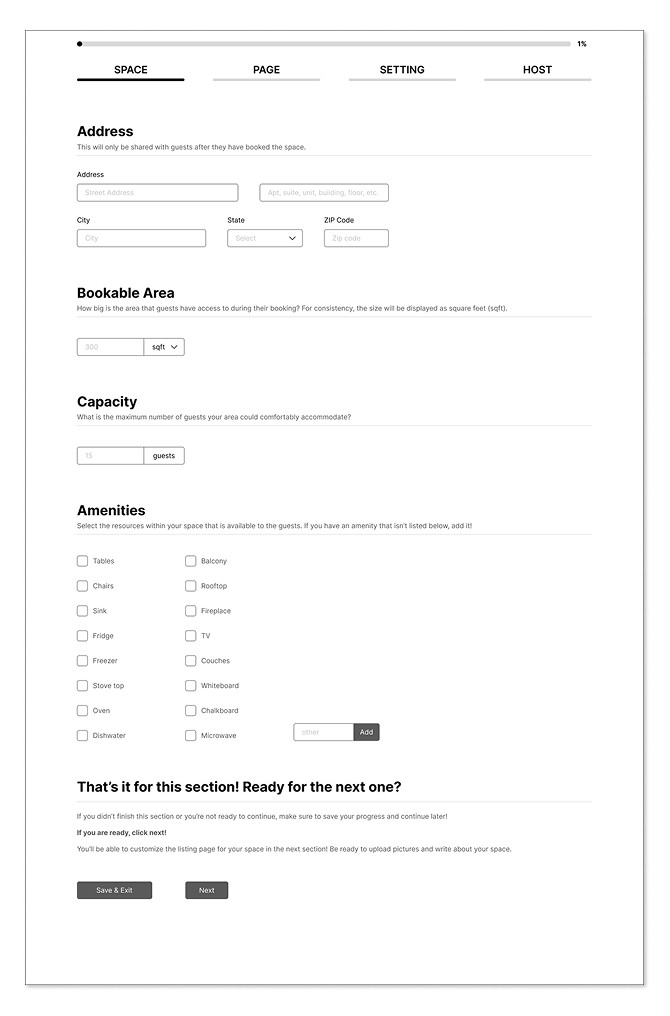
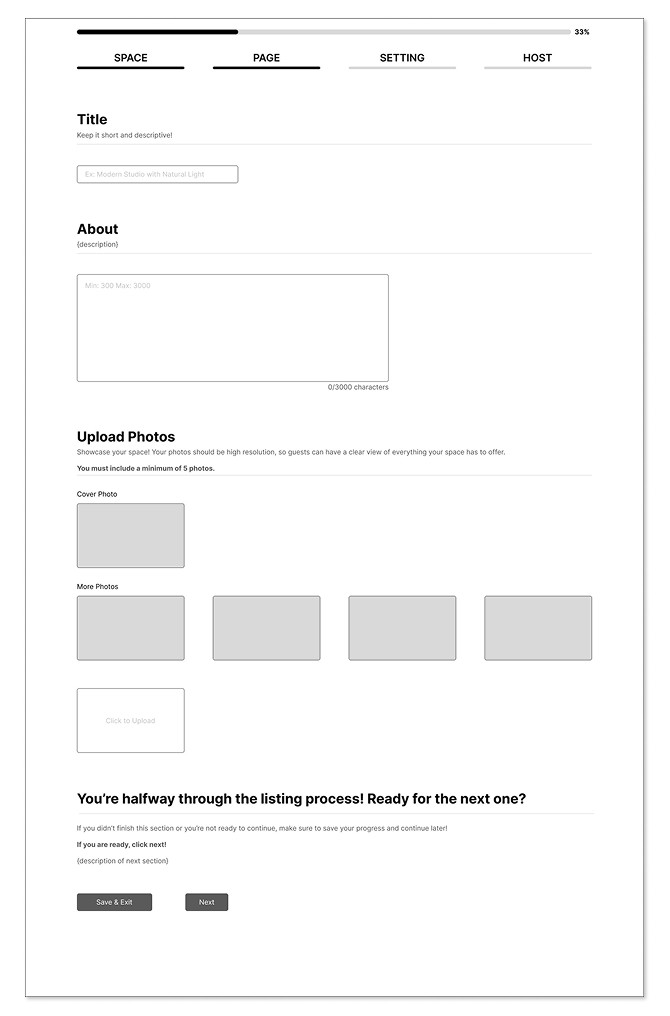
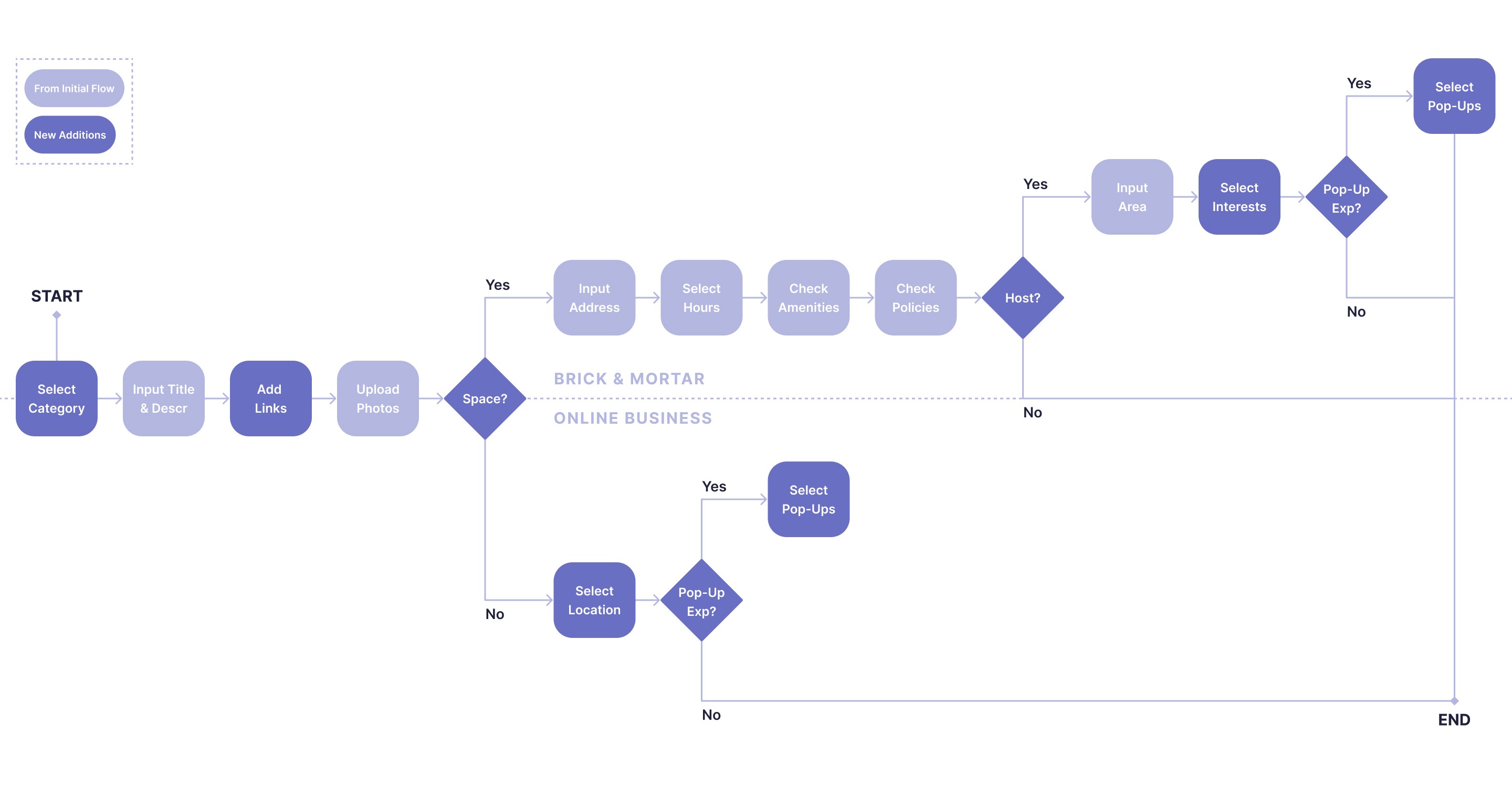
Another major change was expanding the list your space process to also include online businesses, becoming list your business.
We had refined our mission to connect businesses (online and physical) to make pop-up events, so we wanted our interface to better reflect that. Currently, it reflects the open-ended nature of Fourth Spaces at the start, where anyone can find a space and create a community event.
Now, both the storefront owner and event planner will go through the same list your business process before they can connect and create pop-ups. This way, we can also ask questions that let us better match the host and planners through recommendations and filtering.
After these changes and taking into consideration all the feedback our researchers got, below is the final list your business task flow.
Another major change was expanding the list your space process to also include online businesses, becoming list your business.
We had refined our mission to connect businesses (online and physical) to make pop-up events, so we wanted our interface to better reflect that. Currently, it reflects the open-ended nature of Fourth Spaces at the start, where anyone can find a space and create a community event.
Now, both the storefront owner and event planner will go through the same list your business process before they can connect and create pop-ups. This way, we can also ask questions that let us better match the host and planners through recommendations and filtering.
After these changes and taking into consideration all the feedback our researchers got, below is the final list your business task flow (click to expand).
Another major change was expanding the list your space process to also include online businesses, becoming list your business.
We had refined our mission to connect businesses (online and physical) to make pop-up events, so we wanted our interface to better reflect that. Currently, it reflects the open-ended nature of Fourth Spaces at the start, where anyone can find a space and create a community event.
Now, both the storefront owner and event planner will go through the same list your business process before they can connect and create pop-ups. This way, we can also ask questions that let us better match the host and planners through recommendations and filtering.
After these changes and taking into consideration all the feedback our researchers got, below is the final list your business task flow.
This is the final Figma prototype with custom components!
If you would like to interact with it yourself, click HERE.
(link is best viewed on desktop)
(02)
(02)
OO
OO
. .
. .